
This journal helps in monitoring liabilities and ensures proper tracking of purchases made from suppliers. Businesses enter transactions in the buy diary and then post them to the ledger. This ensures that they include the purchase entries in the company’s overall financial records.
Advantages and Limitations of Purchase Credit Journal Entry
If the carrying amount of goodwill exceeds its fair value, an impairment loss is recognized, impacting the income statement. This involves making journal entries that reflect the purchase in the company’s accounting system. Each entry must include the date, amount, and a brief description of the transaction. Typically, cash purchases are not recorded in the Purchase Journal; they are instead recorded in the Cash Payments Journal.
Company
Under the periodic inventory system, the company can make the journal entry for merchandise purchased on credit by Bookkeeping for Startups debiting the purchases account and crediting the accounts payable. Under the perpetual inventory system, the company can make the journal entry for merchandise purchased on credit by debiting the merchandise inventory account and crediting the accounts payable. The primary purpose of a purchases journal is to record all credit purchases of goods. It helps businesses keep accurate and detailed records of their liabilities, which aids in financial reporting and auditing.
Cash Purchases
As with any business transaction, these purchases need to be c recorded in the company’s ledger, which is referred to as a purchase credit journal entry. Likewise, the company may purchase the merchandise on credit from the supplier more often than the purchases on cash. Of course, before a good relationship is built the company usually needs to purchase the merchandise in cash first. In this case, the company may need to make journal entry for merchandise purchased on credit as well as on merchandise purchased on cash as it may have several or many suppliers in its merchandising business. A credit to relevant supplier’s account in payables ledger accompanies each purchase entry in purchase journal. Purchases accounts or inventory accounts in case of perpetual inventory system are debited with total of purchases journal usually at the end of each month.
⚠️ Why Not Use One Single “Goods” Account?
The usage of a single-column purchase journal is to record credit purchases of goods. In this regard, this journal format is the same in periodic and perpetual systems. These adjustments can significantly impact the overall financial position of a company, affecting cash flow and liquidity. The implementation of discounts within the Purchases Journal requires careful consideration of the credit terms agreed upon with suppliers and the potential effects on the company’s financial statements. In addition, the purchase notebook arranges entries by supplier or creditor, making it easier to track outstanding bills. It also plays an important function in keeping accurate records for auditing purposes, ensuring that enterprises adhere to Singapore financial accounting standards and local regulatory obligations.
A double-entry system does purchase journal not write the purchase journal; it is not written with the debit and credit accounts determined. We can’t see the display of the journal entry submitted at the end of the purchase journal. Opening a purchase account in the catalog, the weekly or monthly purchases should take the debit from the miscellaneous account on the debit side. The Purchases Journal is a specialized accounting record used to track and record all purchases made by a company during a specific period of time. It is an important component of the double-entry bookkeeping system and provides a detailed breakdown of all purchases made by the company.
- It will also cover the various types of purchase journals, how to record entries, and their limits.
- Cash purchases are included in another special journal called the cash disbursements journal, and purchase returns are included in the purchase returns journal or if not used, the general journal.
- To understand the purchase credit journal entry better, let’s take a look at a scenario where the company would have to record such a journal entry.
- Additionally, merchandises are the types of stock or inventory items where the company usually purchases them to store in the warehouse first before it sells them to the customers later.
- At the end of the month, we would post the totals from the sales journal to the general ledger (Figure 7.19).
- If you also make records of the debit from a spending account in a different journal, all of the information should match.
- Now that most businesses use digital technology, the step of posting to journals is performed by the accounting software.
- This increases liabilities, indicating an obligation to pay the supplier in the future.
- If the business was divided into departments or segments, it would be possible to have one column for each department instead of one purchase column.
- The cash receipts journal is a particular journal that has the function of recording all types of cash receipts.
- Therefore, it is necessary to have accurate, precise, reasonable, and correct records.
After the fair values are determined, the purchase price is allocated accordingly. Any excess of the purchase price over the fair value of the net identifiable assets is recorded as goodwill. At the end of the month, we total the Cash column in the cash receipts journal and debit the Cash account in the general ledger for the total. Altogether, the three individual accounts owe the company $2,775, which is the amount shown in the Accounts Receivable control account. It is called a control total because it helps keep accurate records, and the total in the accounts receivable must equal the balance in Accounts Receivable in the general ledger.

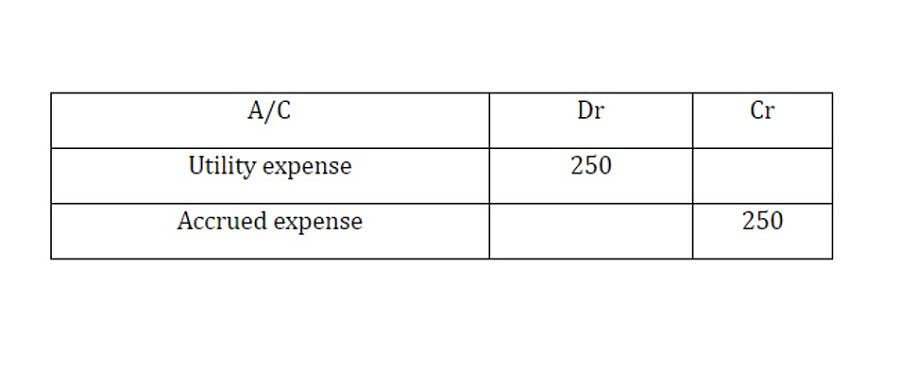
Under the periodic inventory method, the July 6 shipping costs would go to a Transportation In account and the July 25 discount would go to Purchases Discounts. A purchase credit journal entry is recorded in the company’s purchase journal when buying goods or services on credit from a third party. To record the entry, the company will debit the purchase account, and a credit entry will be recorded under accounts payable. The purchase journal is a basic concept of ACCA Financial Accounting (FA) and Financial Reporting (FR) papers. This allows students to see how for-profit companies make entries for credit acquisits, affecting ledger accounts and both first and final statements. It’s crucial for drafting trial balances, double entry bookkeeping as well as spotting financial discrepancies.
- It ensures that all transactional data is accurately compiled and organized, allowing for easy tracking and analysis of financial activity.
- Additional factors, such as freight charges and purchase discounts, can also affect the journal entry for inventory purchases.
- The sales journal is used to document credit sales, while the purchase journal records credit purchases.
- The purchase journal is a source document for recording purchases in the general ledger, the primary accounting record that summarizes all financial transactions.
- This phase is critical for maintaining accurate and up-to-date financial reporting by ensuring that you capture all transactions correctly.
Automate Purchase Journal Recording with ScaleOcean Accounting Software
If those purchases are for inventories, then inventories accounts should be debited. Therefore an extra column (along with the total column) can be included in the purchase day book in which the amount of each type of purchase can be recorded. Cash Purchase is the process when company buy goods or service and make payment immediately. It mostly happens when the suppliers have strong bargaining power in the market. For the buyer, they are going to pay immediately for the small purchase which is not impacting their cash flow.
How is a Purchases Journal Used in the Accounting Cycle?
Later, on February 1, we make a $10,000 cash payment to retained earnings balance sheet settle this credit purchase of goods. Yes, transactions recorded in the Purchase Journal must be posted to the General Ledger accounts, such as Accounts Payable and Inventory, to ensure the financial statements accurately reflect all business activities. The total of all accounts payable subsidiary ledgers would be posted at the end of the month to the general ledger Accounts Payable control account.